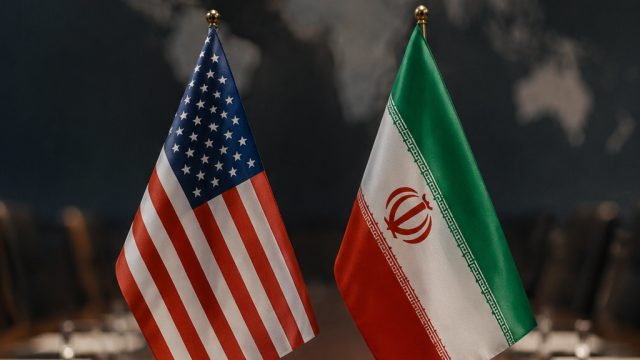
The current geopolitical landscape is increasingly shaped by the contentious dialogue between the United States and Iran. As tensions rise, recent developments have highlighted Iran's flat denial of claims made by US officials regarding inspections and missile limitations. These unfolding events not only reflect the intricate web of international diplomacy but also signal potentially critical implications for global peace and regional stability.
The Narrative Battle: Iran vs. the US
Recent statements from US lawmakers, particularly regarding Iran's supposed agreement to allow inspections by the International Atomic Energy Agency (IAEA), have ignited a fierce backlash from Tehran. The Iranian government has categorically rejected these claims, which were framed in the context of broader negotiations that include sanctions and regional security issues.
The Stakes of the Narrative
- International Credibility: Iran’s denials raise questions about the reliability of US intelligence and its implications for future negotiations.
- Economic Impact: The ongoing dispute over frozen assets and the pressing need for food aid underscores the humanitarian crisis exacerbated by sanctions.
- Regional Stability: This confrontation adds to the volatility in the Middle East, where alliances and enmities shape everyday life.
Regional Dynamics: The Ceasefire in Lebanon
Amidst the turmoil surrounding Iran, the situation in Lebanon has shown signs of fragile peace. The ceasefire is holding, but the US continues to develop a withdrawal plan, prompting questions about the future of stability in Lebanon. The implications of a US pullout could reverberate across the region, potentially emboldening other factions.
Key Factors Influencing Regional Peace
- US Withdrawal Effects: A significant decrease in American military presence may lead to a power vacuum, inviting increased influence from hostile actors.
- Economic Dependencies: Many countries in the region rely on oil exports, making the looming oil cliff a critical concern for stability.
- Humanitarian Considerations: Continuous conflict and sanctions create humanitarian needs that require urgent attention.
The Impact of the Oil Cliff
As the world inches closer to what experts are calling the "oil cliff," the stakes are monumental. The impending shortages are predicted to have widespread repercussions, including soaring prices for diesel and lubricants. These developments carry the potential to destabilize economies globally, particularly those dependent on oil exports.
Understanding the Oil Cliff Crisis
- Supply and Demand: A significant decrease in oil availability could cripple industries reliant on fossil fuels, prompting a shift to alternative energy sources.
- Global Markets: The interconnectedness of global markets means that disruptions in oil supply will ripple through economies worldwide, increasing the cost of goods and essentials.
- Sustainable Solutions: As nations face potential crises, the urgency for sustainable energy solutions becomes more pronounced.
The Road Ahead: Strategic Diplomacy
As these dynamics unfold, strategic diplomacy will be paramount. The current impasse offers an opportunity for nations to re-engage in discussions aimed at reducing hostilities and fostering cooperation. The challenges are significant, but so too are the prospects for peace if all parties are willing to compromise.
Potential Avenues for Dialogue
- Engaging Regional Partners: Collaborative efforts with Gulf nations and others can pave the way for renewed dialogue and peacekeeping initiatives.
- Humanitarian Assistance: Addressing immediate humanitarian needs could serve as a bridge for improved relations and discussions on broader issues.
- Long-term Vision: Establishing a clear roadmap for de-escalation and future partnerships is crucial for lasting stability.
In conclusion, the current tensions between the US and Iran, alongside the precarious situation in Lebanon and the looming oil cliff, underscore the complexities of international relations in the region. As various narratives clash, the potential for dialogue exists, but it requires a commitment from all sides to prioritize peace and stability over conflict. At corintoa.com, we will continue to monitor these developments and their implications for global peace and security.





