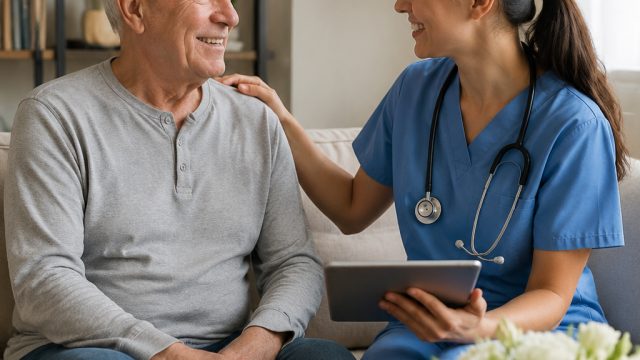
In recent months, there has been a significant shift in the way healthcare facilities approach patient discharge, focusing more on innovative home care solutions rather than traditional skilled nursing facilities (SNFs). This evolution is crucial as healthcare providers seek to address pressing needs for efficient, safe, and patient-centered care pathways. As the healthcare landscape continues to change, understanding these alternatives is essential for both patients and their families.
The Shift Towards Home-Based Care
With the increasing demand for personalized care and the rising costs associated with long-term stays in skilled nursing facilities, many hospitals are now considering home-based care as a viable alternative. The need for such arrangements has become even more pronounced post-pandemic, as patients and families seek safer, more comfortable environments for recovery.
Benefits of Home Care Solutions
- Personalized Care: Home care offers individual attention tailored to the patient's specific needs.
- Cost-Effective: Reducing the length of hospital stays can significantly lower healthcare costs for both patients and providers.
- Enhanced Comfort: Patients recover better in a familiar setting, leading to improved overall satisfaction.
- Reduced Risk of Infection: Staying at home minimizes exposure to hospital-acquired infections.
How Innovations Are Shaping Home Care
Recent advancements in technology play a pivotal role in facilitating effective home care. From telemedicine to remote monitoring, the integration of innovative solutions ensures that patients receive high-quality care while being discharged to their homes. Here are some key innovations reshaping the home care landscape:
Telehealth Services
Telehealth has surged in popularity, allowing healthcare providers to conduct virtual visits, monitor patient progress, and provide timely interventions without the need for in-person appointments. This aspect is particularly beneficial in managing chronic conditions and regular follow-ups post-discharge.
Remote Monitoring Devices
Wearable health technology and remote monitoring devices enable healthcare professionals to track vital signs and overall health status in real-time. Patients can remain connected with their care teams, ensuring that any concerns are promptly addressed.
Challenges and Considerations
While the transition to home care solutions presents many advantages, there are challenges that healthcare providers and patients need to navigate. Here are some critical considerations:
Patient Safety
Ensuring patient safety in a home environment requires thorough assessments and planning. Healthcare providers must evaluate the living conditions and support systems available to patients before discharge.
Caregiver Support
Family members often take on caregiver roles, which can be demanding. Providing adequate education and resources for family caregivers is essential to ensure they feel competent and supported in their responsibilities.
Integration with Health Systems
Seamless integration between home care providers and existing health systems is vital. Communication gaps can lead to misunderstandings and potential complications in patient care. Establishing clear channels for information sharing is crucial for effective home care delivery.
The Future of Patient Discharge Planning
As healthcare continues to evolve, the emphasis on home care solutions will likely expand. By integrating innovative technologies and focusing on patient-centered approaches, hospitals can enhance discharge processes and improve overall outcomes. This shift not only benefits patients by offering them the comfort of home but also optimizes hospital resources and reduces costs.
Conclusion
The movement towards innovative home care solutions marks a significant change in how healthcare is delivered. As patients increasingly prefer the comfort of their homes for recovery, it becomes essential for healthcare providers to adapt and prioritize these alternatives. Embracing this trend means not only understanding its benefits and challenges but also being proactive in creating effective care plans that empower patients and their families.





