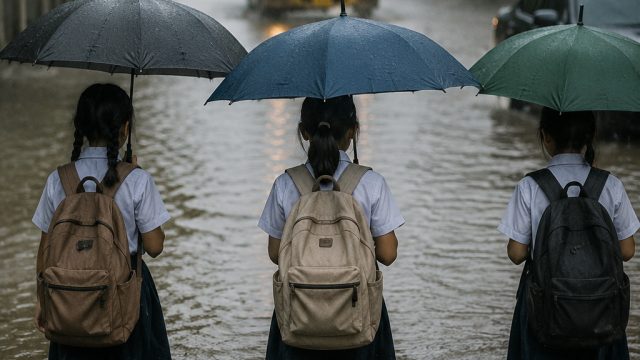
This summer, Europe is facing unprecedented heatwaves that are causing a significant strain on the education system. As temperatures soar, a growing divide has emerged among parents, teachers, and officials regarding the best course of action for schools. Should they remain open or close their doors? This question has become increasingly pressing as the health and safety of students hang in the balance.
The Rising Temperatures: A Wake-Up Call for Education
Extreme weather events, such as the current heatwave, are becoming more frequent due to climate change. Countries across Europe, particularly the UK and France, are experiencing temperatures that are leaving classrooms stifling and uncomfortable. Many schools lack adequate cooling systems, making it challenging for students to focus on their studies.
Impact on Student Well-Being
- Heat-related health risks such as dehydration and heat exhaustion.
- Difficulty concentrating in excessively warm environments.
- Potential long-term effects on health and learning outcomes.
With such risks at play, the debate over school operations has intensified. Educators argue that keeping schools open during extreme heat can jeopardize the well-being of children, particularly those who struggle with heat sensitivity or underlying health conditions.
Parents and Educators Divided: The Voting Dilemma
As communities grapple with this pressing issue, parents and educators have found themselves at an impasse. While some advocate for closing schools during heatwaves to protect students, others emphasize the importance of maintaining educational consistency. The lack of a standardized approach to managing heat in schools has led to varying decisions across districts, with no clear consensus on the best path forward.
Arguments for Keeping Schools Open
- Maintaining educational continuity is crucial for students' learning and development.
- Parents may face challenges finding childcare alternatives while schools are closed.
- Some schools are equipped with fans or shaded areas, providing some relief from the heat.
Arguments for Closing Schools
- Students' health and safety should be the top priority, especially during extreme heat.
- Schools can utilize remote learning options to maintain educational standards.
- Investment in better cooling systems should be prioritized rather than risking student well-being.
What Can Be Done? Strategies for Improvement
In response to these challenges, schools and local governments need to consider proactive strategies to address the impact of heat on education. Here are some proposals that could help bridge the divide:
1. Infrastructure Investment
To better equip schools for future heat events, investment in air conditioning and improved ventilation systems is critical. Implementing cooling solutions can ensure that classrooms remain safe and conducive to learning.
2. Flexible Learning Options
Developing flexible learning arrangements, such as remote classes during peak heat days, can help mitigate the impact of extreme temperatures. This option allows students to continue their education without compromising their health.
3. Enhanced Awareness and Communication
Schools must foster open communication with parents and the community about the potential health risks associated with extreme heat. Providing clear guidelines on how families can prepare for and respond to heatwaves can empower parents to make informed decisions.
Looking Ahead: A Collective Responsibility
The current situation serves as a critical reminder of the interconnectedness of climate change and education. As extreme weather patterns become more prevalent, it is essential for schools, parents, and policymakers to prioritize student safety and well-being. The education sector must adapt to these changes and actively seek solutions that enhance resilience against heatwaves. By investing in infrastructure, fostering flexible learning solutions, and maintaining open lines of communication, we can create a safer educational environment for all students.
In conclusion, the debate over school closures amid extreme heat is more than just a logistical challenge; it reflects our duty to protect the next generation. As we move forward, it is vital to place student health at the forefront of our decisions, ensuring that education continues to thrive, no matter the weather outside.





