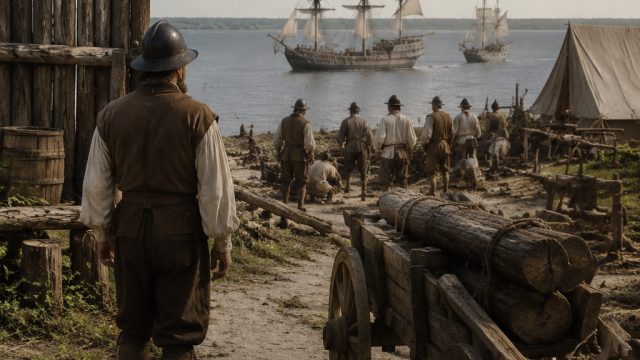
The decade from 1600 to 1609 was a significant period in American history, marking the precarious beginnings of the Jamestown settlement. This article delves into the challenges faced by the early settlers as they navigated a landscape filled with conflict, adaptation, and survival, ultimately laying the groundwork for what would evolve into the United States.
The Arrival of the Settlers
In May 1607, a group of English settlers arrived in what is now Virginia, establishing the Jamestown colony. Their journey was fraught with peril, but they were motivated by the promise of wealth and new opportunities. The settlers faced immediate hurdles, including a hostile environment and scarce resources, which tested their resolve and resilience.
Challenges in the New World
- Hostile Relationships with Indigenous Tribes: Early tensions with local Native American tribes posed significant threats to the settlers’ survival. Misunderstandings and conflicts arose, as the English often encroached on tribal lands.
- Food Shortages: The settlers struggled to cultivate crops in unfamiliar soil, leading to severe food shortages. Many of the original colonists perished due to hunger and illness.
- Harsh Weather Conditions: The Virginia climate presented challenges, with extreme heat in the summer and harsh winters, complicating the settlers’ agricultural efforts.
Leadership and Struggles for Survival
The early years of Jamestown saw fluctuating leadership and governance, which directly impacted the colony's survival. The initial council was ill-prepared to make effective decisions, leading to chaos and disorder among the settlers.
Key Figures in Jamestown's Early Days
- Captain John Smith: A pivotal figure, his leadership and negotiation skills with Native American tribes proved crucial for the colony's survival. Smith’s role in establishing trade relations with local tribes helped mitigate some resource shortages.
- Lord De La Warr: Arriving in 1610, he introduced a more structured governance system, implementing strict discipline and work ethics among settlers.
Adaptation and Growth
Despite the numerous challenges, the settlers of Jamestown began to adapt. Learning from Native Americans, they adopted new agricultural techniques and diversified their crops, which proved vital for their sustenance.
Strategies for Survival
- Crop Diversity: Incorporating native crops such as corn and tobacco helped stabilize food supplies and gradually allowed for trade.
- Trade with Native Americans: Establishing robust trade relationships with indigenous tribes provided the settlers with not only food but also vital knowledge about local resources.
- Defense Mechanisms: Building fortifications and developing military strategies were essential as threats from both nature and indigenous populations loomed.
The Impact of Jamestown on American History
The Jamestown settlement marked the beginning of a new era in American history. Its struggles, resilience, and eventual adaptation laid the foundation for future colonies. The lessons learned from this period shaped the approach colonial leaders would take in subsequent settlements.
Legacy of Jamestown
- Colonial Expansion: The experiences of Jamestown set a precedent for British colonial strategies and expansion throughout North America.
- Cultural Exchange: The interactions between settlers and Native Americans fostered a complex cultural exchange that would influence the development of American society.
- Foundation of Governance: The challenges faced in these early years helped to shape the political landscape of future American governance.
In conclusion, the decade from 1600 to 1609 was a critical period in the establishment of Jamestown. The settlers overcame immense challenges through adaptation and resourcefulness, ultimately shaping the course of American history. Understanding this early struggle gives us a deeper appreciation for the resilience of those who laid the foundations for the United States.





