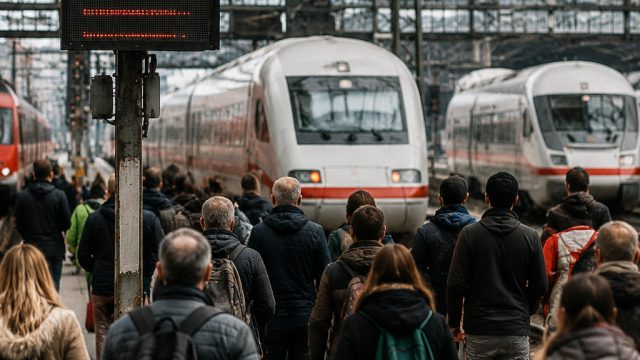
In a shocking turn of events, Germany's extensive rail network was brought to a standstill late Tuesday, affecting the travel plans of hundreds of thousands of passengers. The chaos stemmed from a maintenance mishap that initially raised alarms over a potential cyber-attack but was later attributed to a flawed internal communication system upgrade by Deutsche Bahn (DB).
The Incident: What Happened?
On a normal day, Deutsche Bahn operates a robust rail service that connects various cities across the nation, making it a preferred choice for commuters and travelers alike. However, the scheduled maintenance work went awry, leading to widespread delays and cancellations. Trains were unable to run without the proper functioning of their internal communication system—a fact that has left many passengers stranded and frustrated.
Initial Reactions and Criticism
As stories of stranded passengers began to circulate, public outcry against Deutsche Bahn grew. Many took to social media to express their dissatisfaction with the company's handling of the situation, questioning its reliability and efficiency. Passengers reported waiting for hours at stations, with little to no information provided about alternative travel arrangements. This incident has raised serious concerns about the infrastructure of one of Europe's largest rail networks.
Understanding the Technical Failures
At the heart of the disruption was an attempt to modernize an aging component of DB's internal communication network. This upgrade was, in theory, supposed to enhance operational efficiency and safety. However, the execution proved problematic, leading to the complete halt of train services across the network. Experts have emphasized the importance of robust testing and contingency planning in such critical systems, suggesting that lapses in these areas contributed significantly to the chaos.
What Could Have Been Done Differently?
- Thorough Testing: Before executing system upgrades, comprehensive testing in a controlled environment is crucial to identify potential failures.
- Clear Communication: Keeping passengers informed through various channels would have mitigated frustration and anxiety.
- Backup Systems: Implementing backup options would ensure that even during maintenance, services could continue to operate smoothly.
The Impact on Passengers
For travelers, the disruption was not just an inconvenience—it raised questions about safety and reliability. Many planned business trips, family visits, or tourism-related travel were jeopardized. As the news spread, local authorities urged passengers to explore alternative travel options, including buses and carpooling, but these alternatives were not always feasible. The incident has sparked a broader conversation about the need for reliable public transportation in Germany.
Long-Term Implications for Deutsche Bahn
In the wake of this disruption, Deutsche Bahn faces significant long-term implications. The company must now rebuild trust with its customers and ensure that such an event does not happen again. This could involve:
- Enhancing Infrastructure: Investing in updated technology and infrastructure is vital for the future.
- Improving Staff Training: Ensuring that staff is well-trained in managing emergencies and communicating effectively with passengers.
- Engaging with Customers: Actively seeking feedback from passengers to understand their needs better and address concerns swiftly.
Conclusion: Moving Forward
The recent disruption in Germany's rail network serves as a wake-up call for Deutsche Bahn and the public transportation sector at large. As the company works to rectify its shortcomings, it is essential for passengers to stay informed about developments and ensure their voices are heard. The future of rail travel in Germany depends on the collective effort of all stakeholders involved to create a seamless and reliable transportation experience.





