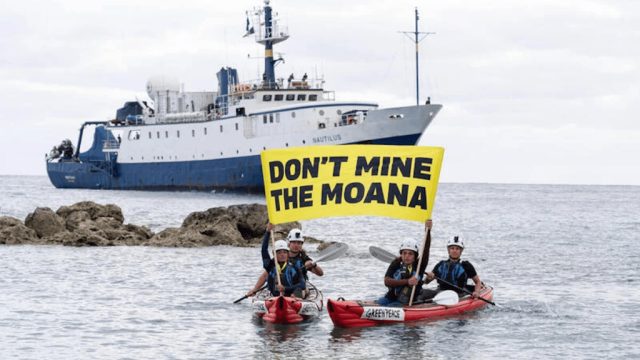
Understanding the Current Landscape of Seabed Mining
The recent decision by the United States to co-fund a significant port in the Cook Islands has sparked a heated debate about the implications for seabed mining in the Pacific. The $102 million investment aims to facilitate the extraction of deep-sea minerals, a venture that many environmentalists view as a threat to marine ecosystems, particularly those surrounding New Zealand.
This initiative is not just about financial investment; it represents a pivotal moment in the mining sector's expansion into sensitive marine regions. The Cook Islands are situated strategically in the Pacific, making them a potential hub for future mineral exploration that could extend to neighboring countries, including New Zealand.
Key Takeaways
- The US is investing $102 million in a Cook Islands port for seabed mining.
- Environmentalists warn of significant risks to New Zealand's marine ecosystems.
- Future mining activities could extend into New Zealand's waters.
- New Zealand's government has yet to comment on the potential impacts.
- This situation highlights the growing global interest in deep-sea minerals.
The Implications for New Zealand's Marine Ecosystems
New Zealand's waters are known for their rich biodiversity, with ecosystems that support numerous species unique to the region. The potential for future mining operations in these waters raises serious environmental concerns that require urgent attention. Experts warn that the extraction of minerals from the seabed can cause irreversible damage, including habitat destruction and pollution.
Environmental Concerns
The deep-sea ecosystem is delicate, and the introduction of mining activities could disrupt the natural balance. The processes involved in extracting minerals can lead to:
- Increased sedimentation, smothering marine life.
- Release of toxic substances that harm aquatic organisms.
- Disruption of fish migration patterns and spawning grounds.
Regulatory Challenges
As nations vie for access to deep-sea minerals, regulatory frameworks must evolve. New Zealand may need to enhance its laws to protect its waters from potential mining threats. This challenge is compounded by the need for international collaboration among Pacific nations to ensure sustainable practices.
What Does This Mean for the Future?
The significance of the US investment in Pacific seabed mining cannot be understated. It signals increased interest from major powers in exploiting marine resources, which could lead to a race for access among Pacific nations. For New Zealand, this represents both an opportunity for economic growth and a critical challenge in safeguarding its environmental heritage.
Future Prospects for Mineral Exploration
As the trend of seabed mining expands, countries in Southeast Asia, including Indonesia, are also observing these developments closely. The ASEAN region is becoming increasingly involved in discussions about responsible mining practices, balancing economic incentives with environmental responsibilities.
Conclusion: A Call for Vigilance
With the US's recent financial backing of seabed mining initiatives, New Zealand finds itself at a crossroads. While the economic benefits can be enticing, the potential environmental costs deserve serious consideration. Advocates for marine conservation are urging the New Zealand government to prioritize protective measures for its waters. As global interest in seabed resources continues to rise, nations must work together to create sustainable frameworks that safeguard marine ecosystems for generations to come.





