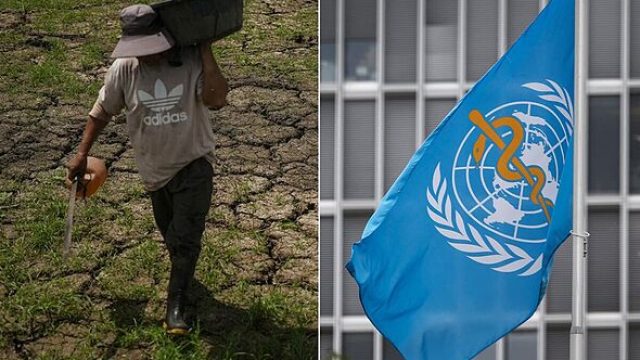
Understanding the Current El Niño Phenomenon
The United Nations has raised alarms regarding the intensification of the El Niño weather pattern, which is expected to bring extreme climate conditions across the globe. Following a record-breaking July in the U.S., where temperatures soared to unprecedented levels, the implications of this climatic phenomenon are being scrutinized more than ever. As nations prepare for possible weather disruptions, understanding the ramifications is crucial for global stability.
Key Takeaways
- El Niño is expected to amplify global temperatures significantly.
- The U.S. recorded its hottest July this year, highlighting climate urgency.
- Extreme weather can disrupt agricultural production and water supplies.
- Southeast Asia may face severe droughts affecting the region's economy.
- Preparedness and adaptation measures are essential for communities.
What Is El Niño?
El Niño, characterized by warmer ocean temperatures in the Pacific, leads to profound weather changes. This phenomenon occurs roughly every two to seven years and can persist for several months to over a year. Its effects can be felt worldwide, leading to severe droughts in some areas and increased rainfall in others.
The 2023 Forecast
This year, meteorological experts predict that El Niño will be more intense than usual, marking it as a "supersized" event. The U.N. has cautioned that this could lead to extended periods of extreme heat and drought conditions, significantly impacting agriculture and water resources, particularly in vulnerable regions such as Southeast Asia.
Potential Impacts on Agriculture
Countries reliant on agriculture, like Indonesia, may experience severe repercussions. Drought conditions can lead to crop failures, affecting food security for millions. With Indonesia's growing population and reliance on rice production, the stakes are particularly high. The ASEAN region must prepare for potential food shortages as climate anomalies threaten its agricultural backbone.
The Urgency of Preparedness
As the U.N. warns of El Niño's potential to wreak havoc globally, the importance of preparedness cannot be overstated. Governments and communities around the world need to develop comprehensive strategies to mitigate the adverse effects of climate change. The U.N. has suggested several preventive measures, including improving water management systems and investing in drought-resistant crop varieties.
Community Initiatives
Local governments can implement strategies such as:
- Creating community gardens that utilize sustainable practices.
- Raising awareness about water conservation among residents.
- Implementing early warning systems for extreme weather events.
- Collaborating with agricultural experts to diversify crops.
Global Cooperation
International cooperation is vital to address the impending challenges posed by El Niño. Global partnerships can facilitate the sharing of resources, technology, and knowledge to adapt to changing conditions. The U.N. emphasizes that collaboration among ASEAN nations is essential to boost regional resilience against climate change impacts.
Conclusion: Eyes on the Future
The U.N.'s warning regarding a stronger El Niño highlights the need for immediate action and collective responsibility. As we witness shifting weather patterns, from Indonesia to the U.S., it’s essential to stay informed and proactive. Understanding the implications of this climate phenomenon will be crucial as we navigate a future increasingly influenced by environmental changes. With strategic planning and cooperation, we can mitigate the risks associated with extreme weather patterns.





