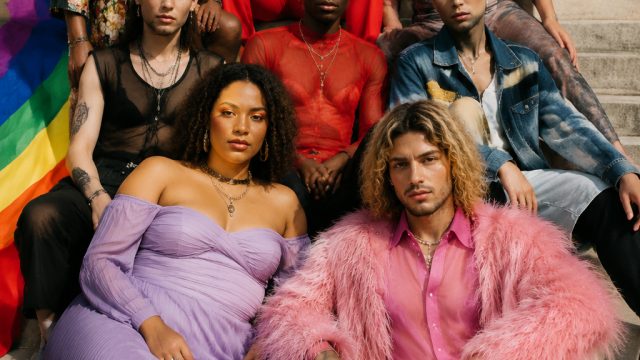
In recent years, the fashion industry has undergone a transformative shift, with LGBTQ+ individuals and brands playing a pivotal role in reshaping narratives around identity, inclusivity, and style. This evolution is not just about clothing; it's a reflection of broader societal changes that are making waves across various cultures. As we navigate through 2023, it’s crucial to examine how LGBTQ+ perspectives are influencing fashion today.
The Rise of Queer Representation in Fashion
Historically, the fashion industry has been criticized for its lack of diversity and representation. However, brands founded by LGBTQ+ individuals are challenging the status quo. This shift is not only enhancing visibility for queer identities but also promoting a richer variety of styles that cater to diverse tastes.
Breaking Stereotypes
Queer designers and entrepreneurs are dismantling traditional gender norms in fashion. By creating collections that defy binary classifications, they encourage consumers to express their true selves. This has led to:
- Inclusive sizing options
- Gender-neutral clothing lines
- Innovative designs that celebrate individuality
Spotlight on LGBTQ+ Brands
Several LGBTQ+-owned brands have garnered attention for their unique contributions to the fashion landscape. These brands emphasize authenticity and emotional connections, which resonate deeply with consumers seeking more than just clothing.
One such brand, Surele, founded by Josh Ronisky, exemplifies how personal identity can significantly influence design. Ronisky’s approach is rooted in celebrating queer identity while creating timeless fashion pieces that speak to everyone.
The Importance of Community Support
As more LGBTQ+ brands emerge, the role of community support becomes increasingly evident. Consumers who prioritize ethical and inclusive shopping habits are driving the demand for products from queer-owned businesses. By supporting these brands, shoppers not only embrace unique styles but also contribute to the empowerment of marginalized voices.
Engagement Through Social Media
Today’s consumers are more connected than ever, thanks to various social media platforms that allow brands to engage directly with their audience. This direct line fosters a sense of community and allows for immediate feedback, further evolving brand identities. Here’s how social media is shaping LGBTQ+ fashion:
- Platforms like Instagram and TikTok showcase emerging designers
- Influencers use their platforms to raise awareness about queer issues
- Hashtags promote inclusivity and connect like-minded individuals
The Future of Fashion is Inclusive
The movement towards inclusivity in fashion shows no signs of slowing down. As we look ahead to 2024 and beyond, the incorporation of LGBTQ+ perspectives will likely continue to challenge norms and inspire future trends. Several factors will play a crucial role in this ongoing transformation:
Innovation and Sustainability
Many LGBTQ+-owned brands prioritize sustainability alongside representation. This dual focus ensures that they not only advocate for social justice but also contribute positively to the environment. Key trends to watch include:
- Use of eco-friendly materials in clothing production
- Support for fair labor practices
- Innovative recycling programs for fashion items
Advocacy Through Fashion
Fashion has always been a platform for self-expression. Today, it also serves as a means for advocacy. LGBTQ+ designers leverage their work to bring awareness to pressing issues, such as:
- Legal rights for LGBTQ+ communities
- Health issues affecting queer individuals
- Support for global LGBTQ+ rights
Conclusion: Fashion as a Reflection of Identity
The ongoing evolution of fashion through the lens of LGBTQ+ voices highlights the importance of representation and inclusivity. As brands like Surele lead the charge, they encourage all individuals to embrace their unique identities through style. The fashion landscape of today is not just about trends; it’s about celebrating diversity, fostering community, and advocating for change. As consumers, choosing to support these brands allows us to contribute to a more inclusive future in fashion.





