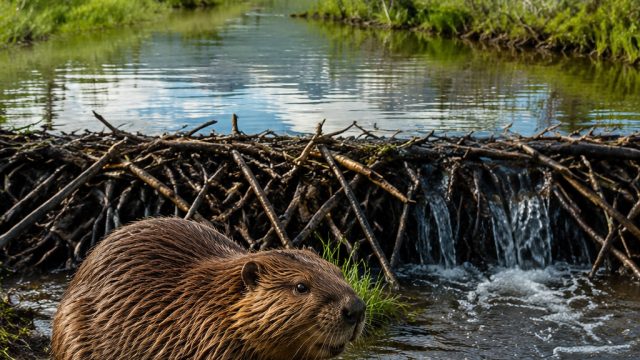
In an era where environmental conservation is paramount, understanding the significance of native species like beavers is more crucial than ever. Eight decades ago, these remarkable creatures made headlines for their unexpected role in restoring America’s wilderness, and their legacy continues to influence modern conservation efforts. This article delves into the history of beavers, their environmental benefits, and why their story matters today.
The Historical Role of Beavers in Ecosystem Restoration
Beavers have long been recognized as a keystone species in various ecosystems. Their natural behavior of building dams creates ponds that serve as habitats for numerous plant and animal species. This aspect of their existence is not just a charming quirk of nature; it has profound implications for biodiversity and environmental health.
Parachuting Beavers: A Bold Conservation Move
In 1948, a groundbreaking initiative saw beavers parachuted into remote regions of Idaho as part of a broader strategy to restore ecosystems devastated by logging and other human activities. This unusual method highlighted the lengths to which conservationists would go to reintroduce these important animals into their native habitats.
The results were striking. The beavers quickly adapted to their new surroundings, diligently building dams that transformed the landscape. These water bodies not only provided habitats for diverse wildlife but also helped in mitigating floods and maintaining water quality.
Why Beavers Matter in Today's Environmental Landscape
As we grapple with current environmental challenges, the lessons learned from beavers' historical role become increasingly relevant. The ongoing climate crisis and the need for sustainable practices push us to reconsider how we interact with our environment. Beavers can help us rethink conservation strategies in the following ways:
1. Natural Water Management
- Beaver dams act as natural reservoirs, storing water during dry periods and releasing it during droughts.
- They can reduce soil erosion and sedimentation, enhancing water quality in surrounding ecosystems.
2. Biodiversity Enhancement
- By creating wetland habitats, beavers support a variety of flora and fauna, promoting ecological diversity.
- These habitats attract numerous species, which can improve local ecosystems.
3. Climate Change Mitigation
- Wetlands created by beavers act as carbon sinks, helping to sequester carbon dioxide from the atmosphere.
- They contribute to the resilience of ecosystems facing the impacts of climate change, such as increased flooding and drought.
Beavers: A Model for Modern Conservation Efforts
In light of the pressing environmental issues we face today, beavers offer a model for innovative conservation strategies. Their ability to modify landscapes in ways that provide benefits for both wildlife and human communities can inspire new approaches to habitat restoration.
Many organizations are now advocating for the reintroduction and protection of beaver populations as a natural solution to various ecosystem problems. This push for beaver conservation not only aligns with environmental goals but also fosters a deeper understanding of the interconnectedness of species within ecosystems.
Community Engagement and Education
As awareness grows about the benefits of beavers, community engagement becomes critical. Education initiatives that highlight the ecological importance of beavers can foster a sense of stewardship among locals, leading to more effective conservation outcomes.
By participating in local conservation projects, communities can directly contribute to the restoration of their natural environments while gaining a greater appreciation for the wildlife that inhabits them, including the mighty beaver.
Conclusion: Embracing the Legacy of Beavers
As we reflect on the historical significance of beavers in restoring America’s wilderness, it is vital to recognize their enduring impact on today’s environmental conservation strategies. These furry champions of nature remind us of the importance of safeguarding our ecosystems and learning from the past as we strive to create a sustainable future. By embracing the legacy of beavers, we can work together to protect our planet for generations to come.





