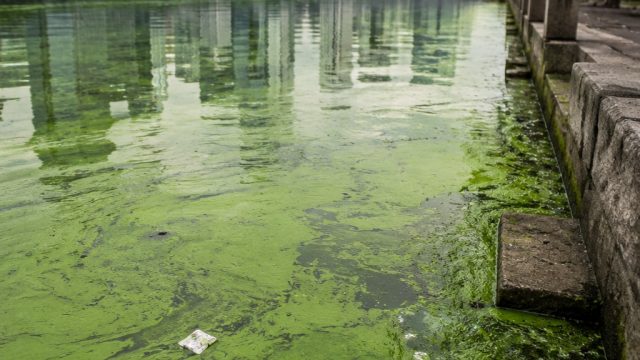
As cities expand and evolve, environmental challenges become increasingly pronounced. One such issue that has gained traction in recent months is the proliferation of algae in urban water bodies. This topic is not just a matter of aesthetics; it has far-reaching implications for public health, local ecosystems, and urban infrastructure. The recent events surrounding a high-visibility water feature in the nation's capital have spotlighted this issue, prompting discussions on how algae can affect urban environments.
The Rise of Algae in Urban Areas
Urban environments are particularly susceptible to algae growth due to a combination of factors, including nutrient pollution, stagnant water, and climate change. These conditions create a perfect storm for algal blooms, which can lead to several problems, including water quality deterioration and harm to aquatic life. In essence, what may appear as a minor inconvenience can escalate into a significant environmental crisis.
Why Algal Blooms Matter
- Public Health Risks: Certain types of algae can produce toxins harmful to humans and animals. Contact with contaminated water can lead to skin irritations, respiratory issues, and gastrointestinal problems.
- Impact on Biodiversity: Increased algae can deplete oxygen levels in the water, leading to fish kills and loss of aquatic biodiversity. This disrupts local ecosystems and diminishes the natural beauty of urban water bodies.
- Economic Consequences: The presence of algae can affect local tourism and recreational opportunities, leading to financial losses for communities dependent on water-related activities.
Recent Events and Public Reaction
The recent controversy surrounding a prominent reflecting pool in Washington, D.C., has drawn attention to the algae issue. Initial claims suggested that the pool had been deliberately vandalized, but internal reports raised questions about the underlying causes of the algae that have plagued this area. As urban residents become more aware of these challenges, calls for accountability and proactive measures have surged.
Community Response and Engagement
Local residents have begun to advocate for better management of urban water bodies. Grassroots organizations emphasize the need for:
- Improved Water Management Practices: Cities must adopt sustainable practices that reduce nutrient runoff, which is a primary driver of algae growth.
- Education and Awareness Campaigns: Informing the public about the causes and effects of algal blooms can help foster community involvement in addressing the issue.
- Regular Monitoring: Implementing systems that regularly check water quality can help detect and respond to algal blooms before they escalate.
Potential Solutions to Algae Growth
Addressing the algae problem in urban settings requires a multifaceted approach. Here are some strategies that cities can implement:
1. Effective Nutrient Management
Reducing nutrient inputs from fertilizers and wastewater is essential. Cities can:
- Encourage the use of environmentally friendly landscaping practices.
- Implement regulations on fertilizer use near water bodies.
- Promote the installation of green infrastructure, such as rain gardens and bioswales, to filter runoff.
2. Enhancing Public Spaces
Urban planners should consider designs that enhance flow and circulation in water features, thereby reducing stagnation and the conditions conducive to algae growth:
- Incorporate aeration systems in public fountains and ponds.
- Create natural barriers with vegetation to filter runoff before it enters water bodies.
- Design water bodies that promote biodiversity by adding native aquatic plants.
3. Community Involvement
Getting the community involved can foster a sense of ownership and responsibility towards local water bodies:
- Organize regular clean-up events and monitoring initiatives.
- Encourage local schools to integrate environmental education focused on aquatic ecosystems.
- Utilize social media campaigns to raise awareness and mobilize action.
Conclusion: A Call to Action
The algae issue in urban settings is a pressing environmental concern that requires immediate attention. As cities grapple with the realities of climate change and urbanization, proactive measures must be adopted to tackle algae growth effectively. It is vital that we act now to preserve the health of our urban ecosystems, enhance the quality of life for residents, and protect the natural beauty of our public spaces. By fostering community involvement and implementing sustainable practices, we can turn the tide on this growing concern and ensure cleaner, healthier water bodies for future generations.





