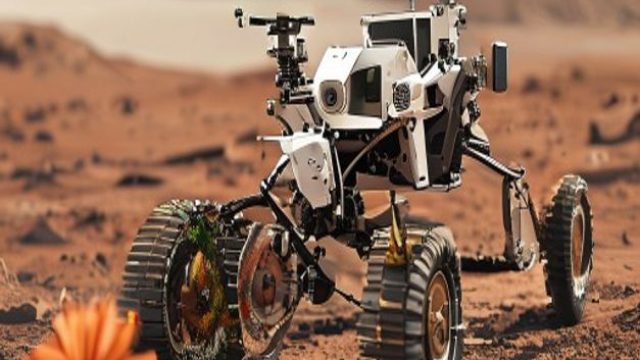
NASA's Perseverance rover has made a groundbreaking discovery on the Martian surface that could reshape our understanding of life beyond Earth. Recent analyses of Martian rock samples have revealed complex organic compounds, indicating the possibility of ancient microbial life. This discovery is not just a scientific milestone; it carries implications that could alter our quest for extraterrestrial existence.
The Significance of Organic Material on Mars
In September 2025, NASA announced the findings from a rock sample known as Cheyava Falls. This sample contained some of the most compelling evidence of ancient biosignatures yet uncovered on Mars. The presence of organic carbon, which forms the basis of life as we know it, suggests that the Red Planet may have once harbored conditions suitable for microbial life.
What Are Biosignatures?
Biosignatures are indicators of past or present life. They can take various forms, including:
- Organic molecules such as carbohydrates and proteins
- Fossils or physical imprints of living organisms
- Chemical patterns resulting from biological processes
The discovery of complex organic compounds in Martian soil is a pivotal step toward understanding whether life ever existed on our neighboring planet.
How Did the Perseverance Rover Make This Discovery?
The Perseverance rover is equipped with advanced scientific instruments designed to analyze the Martian environment. Its ability to drill into rocks and analyze the extracted samples in real time has enabled scientists to obtain vital data. The findings from Cheyava Falls were particularly intriguing because they suggest not only the presence of organics but also evidence of ancient water, a critical component for life.
The Role of Water in Supporting Life
Water is essential for life as we understand it. The evidence of ancient water on Mars strengthens the case that the planet may have once hosted microbial ecosystems. Key aspects of this discovery include:
- Identifying potential habitats for life in Mars' past
- Understanding the climatic conditions that allowed water to exist
- Investigating chemical reactions that could have supported microbial life
The implications of these findings are profound, opening new avenues for research into the history of life on Mars.
Next Steps in Mars Exploration
While the discovery of organic material is momentous, it also underscores the need for continued exploration. The remaining questions about the origins and the fate of these biosignatures demand further investigation.
Future Missions and Research Goals
Upcoming missions to Mars will aim to:
- Collect more samples to determine the nature of the organic compounds found
- Investigate the geological context of the Cheyava Falls sample
- Assess the potential for future human landings and the sustainability of life on Mars
NASA's ExoMars mission, scheduled to launch in the coming years, will play a crucial role in answering these questions. By seeking to understand the handedness of organics, scientists aim to differentiate between biological and non-biological processes.
Why This Matters Now
The discovery of potential biosignatures on Mars is timely amid a growing interest in astrobiology and the search for life beyond Earth. As we advance our capabilities in space exploration, the prospect of uncovering extraterrestrial life becomes increasingly plausible. This discovery not only fuels our curiosity but also impacts our understanding of life's resilience in varying environments.
Connecting with the Broader Scientific Community
These findings have reverberated throughout the scientific community, prompting discussions about the implications for our understanding of life. As researchers from various fields converge, new ideas and collaborative efforts will emerge to explore the mysteries of Mars further.
In summary, the Perseverance rover's findings represent a significant leap forward in our quest to understand life beyond Earth. As we look toward future missions, the excitement surrounding Mars exploration will only grow, reminding us of the wonders that await us beyond our planet.
Stay tuned to corintoa.com for more updates on space exploration and the latest discoveries from Mars!





