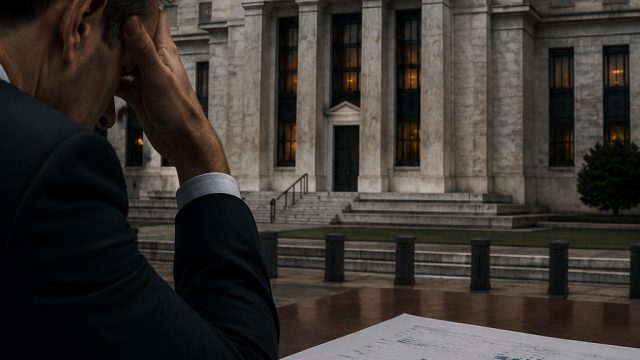
The Federal Reserve's recent round of stress tests has unveiled a startling revelation: U.S. banks could potentially incur losses of up to $708 billion during an economic downturn. This finding raises critical questions about the stability of the financial system and highlights the pressing need for ongoing vigilance and reform.
Understanding the Fed's Stress Tests
Stress tests are a crucial tool used by the Federal Reserve to evaluate the resilience of major financial institutions. Conducted annually, these assessments simulate hypothetical economic scenarios, including severe recessions, to determine if banks have enough capital to absorb potential losses.
Recent Findings and Their Implications
The latest tests reveal that all 32 of the nation's largest banks have passed the assessments, yet the potential $708 billion loss underscores vulnerabilities that cannot be ignored. The scenario assumes a severe economic downturn, heightened unemployment rates, and a significant decline in asset prices.
- Potential Job Losses: The stress tests project a national unemployment rate soaring to nearly 10%.
- Declining Asset Values: A sharp decrease in asset prices could lead to substantial loan defaults.
- Consumer Spending Impact: Households might curtail spending, leading to a broader economic slowdown.
The Importance of Capital Reserves
One of the key takeaways from these stress tests is the importance of maintaining robust capital reserves. Banks need to have sufficient capital to not only absorb losses but also continue lending during economic downturns. While the recent findings indicate that these institutions can withstand the projected losses, the extent of potential losses is alarming.
Regulatory Changes on the Horizon
The Fed has been contemplating revisions to capital rules following the results of these tests. Given the current economic climate, any adjustments made could significantly impact how banks operate and manage risks in the future. The decisions made today will shape the financial landscape for years to come.
What This Means for Consumers and Investors
For everyday consumers and investors, the implications of the Fed's stress tests go beyond the banking sector. A stable banking system fosters confidence in the economy, and fears of instability can lead to decreased consumer spending and investment. Here’s how the findings might affect various stakeholders:
- Consumers: Individuals may become more cautious with their finances, impacting spending habits.
- Investors: Market volatility may increase as investors respond to fears regarding potential bank failures.
- Businesses: Companies may find it harder to secure loans, stifling growth and innovation.
Conclusion: The Path Forward
The findings from the Federal Reserve's latest stress tests serve as a crucial reminder of the fragility of the banking system in the face of economic challenges. While banks have demonstrated resilience, the potential for significant losses highlights the importance of prudent financial oversight and regulatory measures. As we navigate through an uncertain economic landscape, all stakeholders must remain vigilant and prepared for the unforeseen challenges ahead.
In light of these developments, it is essential for consumers, investors, and policymakers to engage in discussions about financial health and stability. Staying informed and proactive will be key to weathering any future economic storms.





