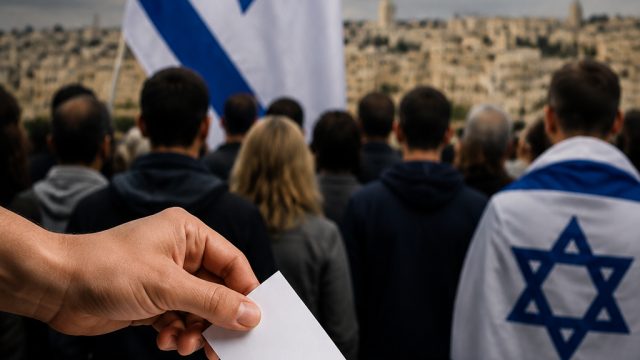
The recent election results in New York have ignited discussions surrounding the shifting dynamics of public support for Israel among American voters. As sentiments evolve, it prompts a critical examination of how these changes could influence U.S. foreign policy and its long-standing alliances.
Understanding the Shift in Public Opinion
Data from the latest elections indicate a noticeable decline in traditional support for Israel, particularly among younger voters and progressive factions. This trend reflects a broader concern regarding the impact of Israel's policies on Palestinian rights and the ongoing conflict in the region. Such changes raise questions about future U.S. electoral outcomes and diplomatic strategies.
Historical Context of U.S.-Israel Relations
The United States has maintained a close alliance with Israel for decades, rooted in shared democratic values and strategic cooperation. However, as younger generations begin to scrutinize these alliances more critically, the foundations of this relationship may face increased scrutiny. Understanding the historical context of U.S.-Israel relations is essential to grasp the significance of this trend.
- Aid and military support: The U.S. has provided significant military aid to Israel, reinforcing its position in the Middle East.
- Political backing: Historically, U.S. administrations have supported Israel in international forums, often vetoing resolutions critical of its policies.
- Grassroots movements: An uptick in grassroots movements advocating for Palestinian rights has influenced voter perceptions.
Factors Driving the Changing Sentiment
Several factors contribute to the evolving public opinion towards Israel, particularly in urban centers like New York. The rise of social media, access to diverse information sources, and a more engaged youth demographic play pivotal roles.
Social Media's Role
Platforms such as Twitter and Instagram have enabled the rapid dissemination of information that challenges conventional narratives surrounding Israel and Palestine. Activists and influencers advocate for change, reaching audiences that traditional media cannot.
Younger Generations and Activism
Millennials and Generation Z are increasingly vocal about their political beliefs, embracing social justice causes. Their activism often centers around themes of equity and human rights, leading to greater skepticism regarding U.S. foreign policy, particularly in relation to Israel.
Potential Consequences of Eroding Support
The ramifications of shifting public sentiment could be far-reaching, affecting both domestic politics and international relations. As American voters re-evaluate their stance on Israel, politicians may feel compelled to adapt their platforms accordingly.
Impact on Political Campaigns
Candidates who align themselves with traditional pro-Israel views may find it increasingly challenging to resonate with the electorate. As public opinion shifts, some may risk alienating progressive voters who favor a more balanced approach to foreign policy.
Reevaluating Foreign Policy Goals
A significant change in public support could prompt a reevaluation of U.S. foreign policy objectives in the Middle East. A more critical stance on Israel's actions might not only reflect the electorate's views but could also redefine the U.S.'s role as a mediator in peace negotiations.
Conclusion: The Future of U.S.-Israel Relations
The evolving landscape of public support for Israel is a critical issue following the recent New York elections. As younger voters increasingly express their concerns about human rights and equality, policymakers must take heed of these sentiments. This shift not only signifies changing voter priorities but also indicates a potential transformation in one of America's most significant foreign policy relationships.
It remains to be seen how these trends will play out in future elections and what implications they will have for U.S. foreign policy moving forward. The situation requires ongoing attention and thoughtful discourse as America navigates the complexities of international alliances in a rapidly changing world.





