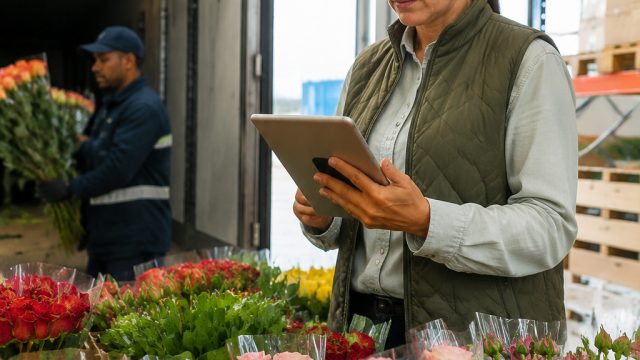
Introduction to the Floral Supply Chain
The floral supply chain is a complex network that involves several key players, from growers to wholesalers to retailers. For B2B businesses, understanding how to navigate this chain is essential for success in the floral industry. In this guide, we will explore the components of the global floral supply chain and provide tips for effective management.
Key Components of the Global Floral Supply Chain
The floral supply chain comprises various stages, including cultivation, harvesting, processing, and distribution. Each of these stages requires careful coordination to ensure that flowers reach their destination in optimal condition. Businesses must familiarize themselves with each component to manage their supply chain effectively.
Importance of Supplier Relationships
Building strong relationships with suppliers is critical for navigating the floral supply chain. Reliable suppliers ensure a consistent flow of products, maintain quality standards, and can provide valuable insights into market trends and pricing. Businesses should prioritize regular communication and foster partnerships that benefit both parties.
Trade Logistics in the Floral Industry
Logistics play a significant role in the floral supply chain. Timely transportation is essential to prevent spoilage and maintain the quality of flowers. Businesses must partner with logistics providers who understand the nuances of transporting perishable goods, ensuring that flowers are delivered efficiently and in good condition.
Leveraging Technology for Supply Chain Management
Modern technology offers numerous tools for managing the floral supply chain. From inventory management systems to tracking software, technology can enhance visibility and communication throughout the supply chain. B2B businesses should leverage these tools to optimize their operations and improve their overall performance.
Conclusion: Achieving Success in the Floral Supply Chain
Successfully navigating the global floral supply chain requires a deep understanding of its components and the ability to manage relationships with suppliers and logistics providers. By focusing on quality, communication, and technology, B2B businesses can position themselves for success in the competitive floral industry.





