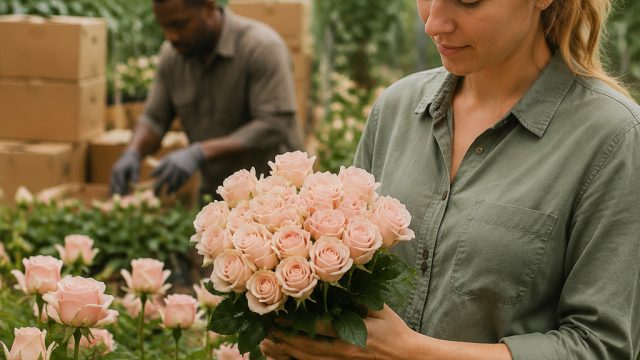
Creating a Sustainable Flower Supply Chain
As consumers increasingly prioritize sustainability, the floral industry must adapt to meet these expectations. Building a sustainable flower supply chain not only benefits the environment but can also enhance brand loyalty and market competitiveness.
The Importance of Sustainability in the Floral Industry
The floral industry has a significant environmental impact, from farming practices to transportation emissions. Embracing sustainability helps reduce this impact and aligns businesses with consumer values, particularly among younger demographics.
Strategies for Developing Sustainable Practices
To cultivate a sustainable flower supply chain, businesses can implement several strategies:
- Source flowers from eco-friendly farms that prioritize organic practices.
- Optimize transportation routes to minimize carbon footprints.
- Implement biodegradable packaging to reduce waste.
Collaborating with Suppliers
Engaging with suppliers who share a commitment to sustainability is crucial. Establishing partnerships with growers and manufacturers that prioritize eco-friendly practices can enhance your supply chain's sustainability.
Certifications and Standards
Obtaining sustainability certifications such as Fair Trade or Rainforest Alliance can boost credibility. These certifications demonstrate a commitment to ethical practices and can attract environmentally conscious consumers.
Monitoring and Reporting
Regularly assessing and reporting on sustainability initiatives can help businesses track progress and identify areas for improvement. Transparency in sustainability efforts can enhance customer trust and loyalty.
Conclusion: The Future of Floral Sustainability
As the floral industry evolves, creating a sustainable supply chain will be essential for long-term success. By adopting eco-friendly practices and collaborating with like-minded partners, businesses can thrive in a market that increasingly values sustainability.





