Navigating Challenges: The Future of Abortion Rights Advocacy
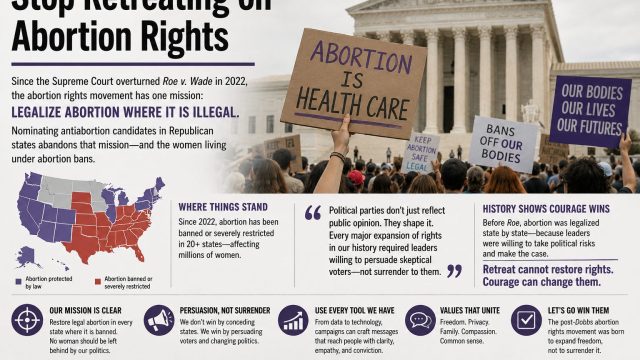
The recent Dobbs decision has profoundly reshaped the landscape of reproductive rights in the United States. As states reel from the implications of this ruling, the abortion rights movement must recalibrate its strategies to ensure that rights are protected and expanded. Now more than ever, advocates must unite and focus efforts on areas where the fight is most challenging.
Understanding the Post-Dobbs Landscape
The Supreme Court's decision to overturn Roe v. Wade has created a patchwork of abortion laws across the country. Some states have enacted stringent bans, while others continue to uphold access to reproductive healthcare. This disparity presents significant challenges for advocacy groups.
The Urgency of Focused Efforts
In this new landscape, it is critical for the abortion rights movement to prioritize its efforts in states where access is under immediate threat. Abandoning these battlegrounds could lead to irreversible setbacks for reproductive rights. Here’s why focused action is necessary:
- Protecting Access: In states with restrictive laws, advocates must mobilize to protect existing access points and challenge unjust regulations.
- Raising Awareness: Educating communities about their reproductive rights is essential, especially in areas where misinformation prevails.
- Building Coalitions: Collaboration with local organizations can amplify efforts and resources, making a stronger impact.
Mobilizing Support and Resources
One of the key components of successful advocacy is mobilizing supporters. In a post-Dobbs world, it is crucial to harness the passion of individuals who care deeply about reproductive rights. Here are some effective strategies to consider:
Engaging the Public
Public engagement is vital for raising awareness and building support. Consider hosting events, workshops, and campaigns that emphasize the importance of reproductive rights.
Utilizing Digital Platforms
In today's digital age, social media can be a powerful tool for advocacy. Utilize platforms to disseminate information, share personal stories, and create a sense of community among supporters.
Adapting to Legal Challenges
As legal battles continue to unfold, the abortion rights movement must adapt and respond strategically. The focus should be on:
- Legal Defense: Support legal challenges against unjust laws to protect the rights of individuals seeking reproductive healthcare.
- Policy Advocacy: Work towards policies that not only protect access but also aim to expand it, ensuring that reproductive rights are recognized as fundamental human rights.
- Monitoring Legislation: Stay vigilant about new laws being proposed and enacted, and prepare to respond quickly to protect rights.
Looking Ahead: The Future of the Movement
As we look to the future, it is essential for the abortion rights movement to remain resilient. The challenges posed by the Dobbs decision may seem daunting, but with a united front, there is hope for progress. It is crucial to remember that:
- The fight for reproductive rights is ongoing and requires persistent efforts.
- Each victory, no matter how small, contributes to the greater goal of equity in reproductive healthcare.
- Public opinion is gradually shifting, and continued advocacy can help sway lawmakers in favor of protecting rights.
Conclusion: The Call to Action
The post-Dobbs landscape demands a re-energized commitment to reproductive rights advocacy. Each advocate, supporter, and ally has a role to play in ensuring that the movement does not retreat in the face of adversity. Join the efforts, stay informed, and be part of the change. Together, we can navigate these challenges and build a future where everyone has access to the reproductive healthcare they need and deserve.





