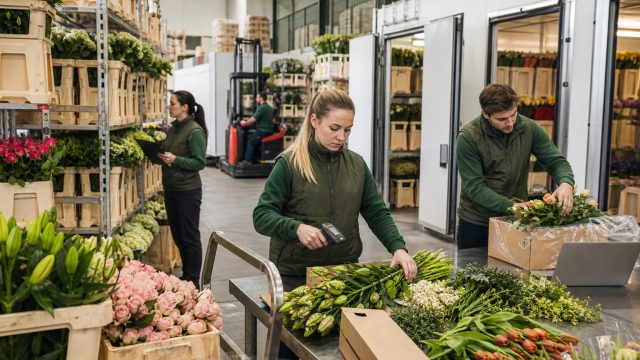
The flower industry relies heavily on efficient supply chains to meet the demands of retailers and consumers alike. In the B2B sector, knowledge of the supply chain structure is critical for success.
Key Components of Supply Chains
From cultivation to delivery, every step in the supply chain must be optimized. Suppliers must maintain effective inventory management, ensure quality control, and establish reliable logistics to ensure flowers reach their destinations fresh.
Collaboration and Communication
Effective communication with partners and clients can streamline processes and prevent delays. B2B suppliers should utilize digital tools for better transparency and coordination throughout the supply chain.
Adapting to Market Changes
Market fluctuations can affect supply chains significantly. Being agile and responsive to changes in demand is crucial. Suppliers should regularly review and update their supply chain strategies based on market insights.
Case Study: A Successful B2B Supplier
One prominent flower supplier implemented an automated inventory system that allowed them to reduce waste and improve order fulfillment time. This case highlights the importance of leveraging technology to enhance B2B operations.
Conclusion
By embracing best practices, B2B flower suppliers can optimize their supply chains, ensuring they meet customer expectations while maintaining profitability.





