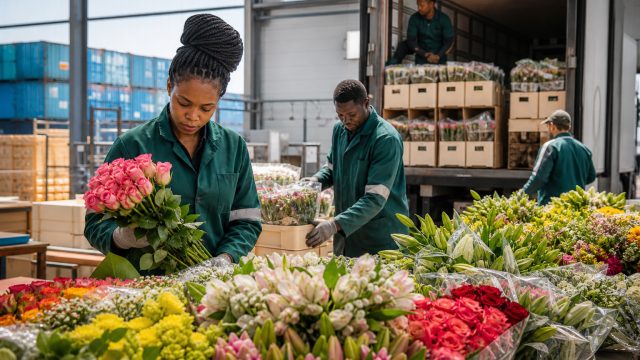
Introduction
The global flower export market is evolving rapidly, driven by consumer preferences and technological advancements. Understanding these trends is vital for wholesalers and B2B suppliers looking to thrive in this competitive landscape.
Emerging Trends in Flower Exports
1. Sustainability Matters
As environmental consciousness grows, consumers are seeking sustainably sourced flowers. Eco-friendly packaging and organic farming practices are becoming essential for suppliers.
2. Digital Transformation
With the rise of e-commerce, flower suppliers are embracing digital platforms for trade. This shift has simplified the buying process for B2B transactions, allowing businesses to operate globally.
3. Local Sourcing Preferences
Many consumers are prioritizing locally sourced flowers, pushing exporters to adapt their offerings. This trend fosters a unique blend of global and local floristry.
Challenges in the Global Market
1. Supply Chain Disruptions
Global supply chain issues, exacerbated by recent events, have challenged flower exporters. Managing logistics effectively is crucial for maintaining product availability.
2. Market Competition
The flower export industry is competitive, with numerous players vying for market share. Differentiation through quality and customer service is key.
Conclusion
In conclusion, the future of flower exports is promising but requires adaptability. By embracing sustainability, digital transformation, and local sourcing, businesses can navigate the complexities of the global market.





