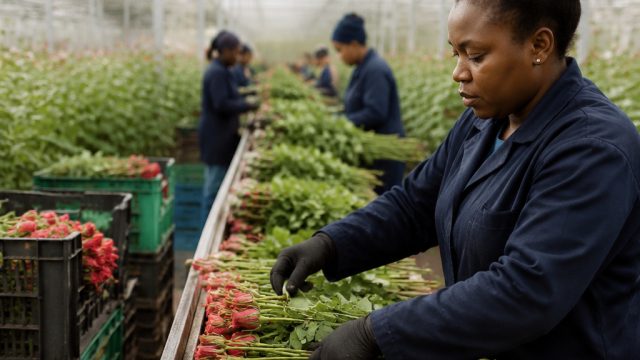
The Need for Sustainable Sourcing
As consumers become more environmentally conscious, the demand for sustainable sourcing in the flower industry is on the rise. Businesses must adapt their supply chains to meet these expectations and contribute positively to the environment.
Understanding Sustainability in Flowers
Sustainability in the floral industry encompasses various practices, including ethical sourcing, eco-friendly packaging, and waste reduction. By adopting these practices, suppliers can align their operations with consumer values and enhance their brand image.
Strategies for Sustainable Sourcing
To embrace sustainability in flower supply chains, businesses can implement several strategies. This section will explore effective practices that can lead to greener operations.
Partnering with Ethical Growers
Establish relationships with flower growers who prioritize sustainable farming practices. Verify their certifications to ensure compliance with environmental and ethical standards.
Reducing Carbon Footprint
Logistics plays a significant role in the carbon footprint of flower supply chains. Consider optimizing transportation routes and methods to minimize emissions while maintaining delivery efficiency.
Eco-Friendly Packaging Solutions
Implementing eco-friendly packaging solutions can significantly reduce waste in the flower supply chain. Explore biodegradable materials and reusable containers to lessen environmental impact.
Engaging Consumers
Educating consumers about the importance of sustainability in flowers can enhance their engagement with your brand. Highlight your sustainable practices in marketing materials and on your website.
Incorporating Sustainability into Branding
Make sustainability a core aspect of your brand identity. A commitment to eco-friendly practices can resonate with consumers and increase brand loyalty.
Challenges in Sustainable Sourcing
While the benefits of sustainable sourcing are clear, challenges remain. Businesses must navigate the complexities of supply chain management to ensure that sustainability efforts do not compromise quality or profitability.
Continuous Improvement and Adaptation
To overcome these challenges, businesses should commit to continuous improvement and adaptation. Regularly assess and refine sustainable practices to enhance overall performance.
Conclusion
As the floral industry evolves, sustainable sourcing will become increasingly important. By embracing sustainability and implementing effective strategies, flower suppliers can thrive in a changing marketplace and contribute positively to the environment.





