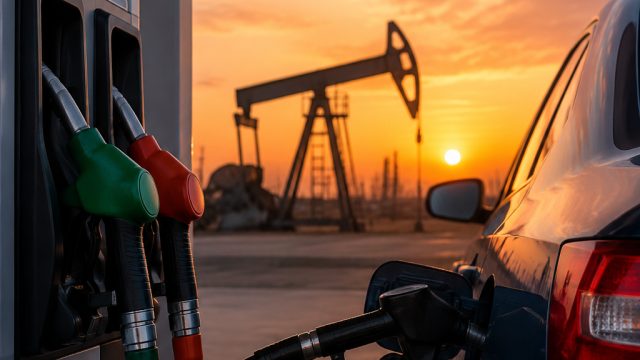
The recent downturn in crude oil prices has caught the attention of economists, businesses, and consumers alike. As Brent crude slips to $73 per barrel, it has reached levels not seen since before the US-Iran tensions escalated. This significant drop raises a multitude of questions about its impact on the economy, consumer behavior, and energy markets.
The Current State of Oil Prices
Over the past months, oil prices have exhibited a notable decline. From factors such as geopolitical tensions to changes in supply and demand dynamics, these elements play a crucial role in shaping market conditions. But what does this mean for the average consumer?
Understanding the Price Drop
- Geopolitical Factors: The easing of tensions in oil-producing regions has resulted in an oversupply, contributing to falling prices.
- Economic Indicators: Slower global growth forecasts have led to decreased demand expectations, further impacting prices.
- Alternative Energy Sources: The rise of renewable energy has also influenced traditional oil markets, shifting consumer preferences.
Impact on Consumers
As oil prices continue to decline, consumers may feel the effects in various ways. Lower fuel costs can result in immediate financial relief for households, but the broader economic implications are worth considering.
Potential Benefits for Consumers
- Reduced Fuel Prices: With falling oil prices, consumers can expect lower prices at the pump.
- Lower Transportation Costs: Businesses may reduce delivery fees, benefiting consumers through lower goods prices.
- Boost to Disposable Income: Savings on fuel can lead to increased spending in other areas, stimulating the economy.
Business Adjustments in a New Oil Landscape
Businesses are closely monitoring the declining oil prices as they can significantly affect operational costs and strategies. Companies across various sectors are adapting to these changes to remain competitive.
How Businesses are Responding
- Adjusting Supply Chains: Companies may reevaluate their supply chains to leverage lower shipping costs.
- Revising Pricing Strategies: Firms might lower prices to attract consumers, which can stimulate sales in the short term.
- Investing in Sustainability: Some businesses may increase investments in renewable energy sources as a long-term strategy.
Global Economic Implications
Beyond the immediate effects on consumers and businesses, declining oil prices can have broader implications for the global economy. Countries that are heavily reliant on oil exports may experience economic challenges, while others could benefit from lower energy costs.
What to Watch For
- Economic Stability: The shift in oil prices may influence inflation rates and overall economic health.
- Investment Trends: Changes in oil prices can affect investment in energy sectors and related industries.
- Geopolitical Developments: Fluctuations in oil prices could alter relationships among producing nations, impacting global politics.
Conclusion: Staying Informed in a Changing Market
As crude oil prices continue to decline, it’s essential for consumers and businesses to stay informed about these developments. Understanding the reasons behind the price shifts and their potential impact on the economy can prepare stakeholders for future changes. Whether you’re filling up your gas tank or running a business, awareness of the oil market can lead to better decision-making and financial planning. For the latest updates on market trends, keep visiting corintoa.com.





