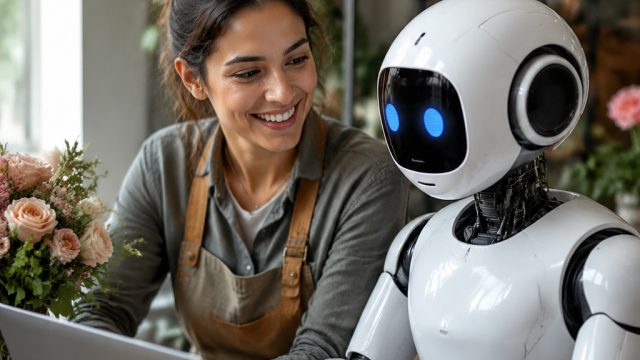
The modern workplace is evolving, as artificial intelligence (AI) increasingly becomes a part of our daily operations. As businesses adapt to these changes, it is crucial to establish a harmonious balance between AI and human contributions. In this article, we delve into timely insights from industry experts who share their strategies on thriving in hybrid AI-human environments.
Understanding the Hybrid Work Model
Hybrid workplaces combine the flexibility of remote work with the collaborative benefits of in-person interactions. This model is not just a trend but a necessary evolution in response to recent global changes. Here are some key elements to consider:
- Flexible Scheduling: Offer employees the choice to work remotely or onsite, depending on their tasks and preferences.
- Supportive Technology: Invest in tools that facilitate communication and collaboration across different locations.
- Inclusive Culture: Foster an environment where both remote and in-office workers feel valued and engaged.
Expert Insights on Navigating AI Integration
As AI technology becomes integrated into daily operations, understanding how to work alongside AI tools is essential. Experts emphasize the importance of adapting workflows to leverage AI effectively:
1. Embrace AI as a Colleague
Rather than viewing AI as a replacement for human workers, see it as a complementary asset. AI can handle repetitive tasks, allowing employees to focus on creative and strategic initiatives. This mindset shift can enhance productivity and employee satisfaction.
2. Continuous Learning and Adaptability
In a rapidly changing landscape, continuous education is vital. Employers should provide training programs that help employees navigate AI tools confidently. Regular workshops can ensure that teams remain updated on the latest technologies and methodologies.
Enhancing Collaboration in a Hybrid Environment
Collaboration is vital for innovation and productivity. Here are effective strategies to nurture teamwork in a hybrid setting:
1. Utilize Collaboration Tools
Investing in reliable collaboration platforms is essential. Tools like Slack, Microsoft Teams, and Asana can streamline communication and project management, bridging the gap between remote and in-office employees.
2. Foster Open Communication
Encouraging open dialogues among teams can strengthen relationships and promote transparency. Regular check-ins and feedback loops can create a culture of trust and collaboration.
Measuring Success in Hybrid Work
To ensure the effectiveness of a hybrid work model, businesses need to establish metrics for success. Consider the following approaches:
- Employee Engagement Surveys: Regularly assess how employees feel about their work environment and engagement levels.
- Productivity Tracking: Use tools to measure output and identify areas for improvement.
- AI Performance Metrics: Evaluate how well AI tools are contributing to overall business goals.
Conclusion: Embracing the Future of Work
The hybrid AI-human workspace is not just a temporary solution; it is becoming the standard for the future of work. By embracing this new model and implementing the strategies shared by experts, businesses can create an environment that maximizes productivity, fosters collaboration, and enhances employee satisfaction. As we navigate these changes, it's essential to remain adaptable and proactive in our approach to integrate AI into our everyday workflows. The future is here, and it is powered by the combined strengths of AI and human creativity.





