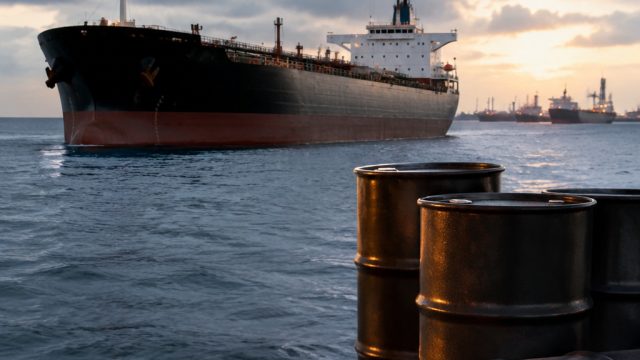
In a notable shift, oil prices are trending downwards, approaching pre-conflict levels, as recent movements of tankers from the Strait of Hormuz signal a potential easing of geopolitical tensions. This development is crucial for the global economy, considering the pivotal role oil prices play in influencing everything from inflation rates to consumer spending.
Understanding the Current Market Dynamics
The recent fluctuations in oil prices are significantly influenced by tanker traffic in the Strait of Hormuz, a vital maritime route for oil transportation. Analysts point to a combination of factors driving this trend, including:
- Increased Supply: An uptick in oil production from various nations has contributed to a surplus in the market.
- Diminished Demand: As global economies adjust post-pandemic, the anticipated demand for oil is not materializing as expected.
- Geopolitical Stability: The exit of tankers from high-risk areas suggests a decrease in perceived threats, enhancing market confidence.
Implications for Global Economies
The dip in oil prices can have profound implications for economies worldwide. Here’s how lower oil prices might affect various sectors:
1. Consumer Spending
With oil prices dropping, consumers can expect lower transportation and heating costs, which could lead to increased disposable income. This could potentially boost spending in other areas, benefiting retail and service sectors.
2. Inflation Rates
Lower oil prices typically help in curbing inflation, as energy costs are a significant component of consumer price indices. Central banks may respond to sustained lower prices by adjusting interest rates, which could stimulate further economic activity.
3. Investment in Renewable Energy
As traditional oil prices stabilize at lower levels, there may be renewed interest in investing in renewable energy sources. This shift is crucial in moving towards sustainable energy solutions and reducing dependence on fossil fuels.
The Future of Oil Prices
While the current trend shows a decrease in oil prices, predicting the future remains complicated. Factors such as global political developments, climate policies, and technological advancements in energy production can all influence this volatile market. Here are some considerations for stakeholders:
- Monitoring Global Events: Keep an eye on geopolitical developments that could disrupt supply routes.
- Investing Wisely: Investors should consider diversifying their portfolios to mitigate risks associated with oil dependency.
- Encouraging Innovation: Businesses should invest in technologies that enhance energy efficiency and explore alternative energy sources.
Conclusion
The recent decline in oil prices serves as a reminder of the interconnectedness of global economies and markets. As tankers exit critical trade routes like the Strait of Hormuz, the resulting changes in oil prices can ripple through numerous sectors, impacting consumer behavior, inflation, and investment strategies. Staying informed and adaptable is crucial in navigating these changes, ensuring that consumers and businesses alike can make the most of the evolving landscape.





