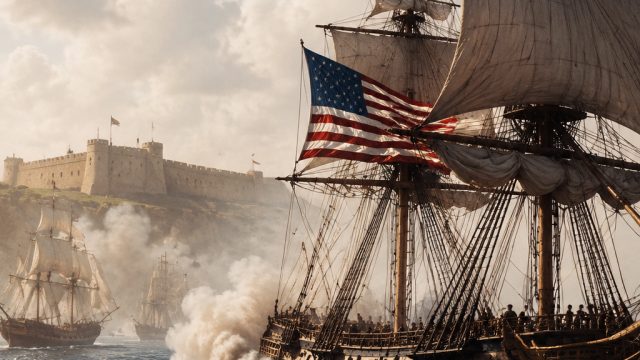
In a time when the United States was still carving out its identity on the world stage, the Barbary Wars represented a critical juncture for the fledgling nation. These conflicts, fought against the North African states known for piracy and tribute demands, not only tested America's resolve but also determined the future of its naval operations and diplomatic strategies. Understanding the Barbary Wars is essential as we reflect on how they influenced America's emergence as a maritime power.
The Context of the Barbary Wars
In the late 18th and early 19th centuries, American merchant vessels faced relentless threats from Barbary pirates operating out of North Africa, particularly from the states of Tripoli, Algiers, and Tunis. These pirates captured American sailors and demanded exorbitant tributes for their release, presenting a dire challenge for a young republic trying to assert its sovereignty on the seas.
The Initial Encounters
- In the early 1800s, American ships were regularly attacked.
- The U.S. government was torn between paying tributes and engaging in military conflict.
- The first Barbary War (1801-1805) marked the United States' first significant overseas military action.
Key Events and Battles
The first Barbary War was characterized by a series of naval engagements that showcased the growing capabilities of the U.S. Navy. President Thomas Jefferson, against the advice of some leaders who favored appeasement, took a firm stance against the pirates. This included sending naval squadrons to the Mediterranean, demonstrating America's commitment to protecting its shipping interests.
Decisive Naval Operations
One of the most notable events was the USS Philadelphia incident, where the American frigate was captured by Tripolitan forces. In a bold strategic move, Lieutenant Stephen Decatur led a successful raid to destroy the vessel and prevent its use against American interests. This operation not only boosted American morale but also showcased the Navy's ingenuity and bravery.
The Aftermath and Impact on American Policy
The conclusion of the first Barbary War in 1805 set a precedent for how the United States would approach international conflicts moving forward. Rather than succumb to the demands of foreign powers, America learned the importance of military might in securing its interests. This lesson echoed through subsequent conflicts and helped shape the U.S. Navy into a formidable force.
Long-term Consequences
- The Barbary Wars catalyzed the development of a stronger naval presence in America.
- They influenced U.S. foreign policy towards confrontation instead of capitulation.
- Naval tactics and strategies evolved significantly as a result of these early conflicts.
Reflections on the Barbary Wars Today
Today, as we examine the Barbary Wars, it's evident that they were not merely a series of military encounters but a vital chapter in the story of American independence and naval evolution. The U.S. Navy's establishment and its operational strategies were largely influenced by the challenges posed by the Barbary pirates. Furthermore, the conflicts highlighted the delicate balance between diplomacy and military action, a lesson that remains relevant in international relations today.
Legacy and Lessons
As the United States continues to navigate complex geopolitical landscapes, the lessons learned from the Barbary Wars serve as a reminder of the importance of sovereignty and the need for a robust defense. The legacy of these wars is reflected in the ongoing commitment of the U.S. to protect its interests abroad, ensuring that the sacrifices made by early Americans resonate through history.
Conclusion
The Barbary Wars were pivotal not only in shaping the early Republic’s naval strategy but also in defining the country's approach to international conflicts. As we continue to explore our nation's history, understanding the implications of these wars provides valuable insight into the ongoing narrative of American resilience and the quest for security on the high seas.





